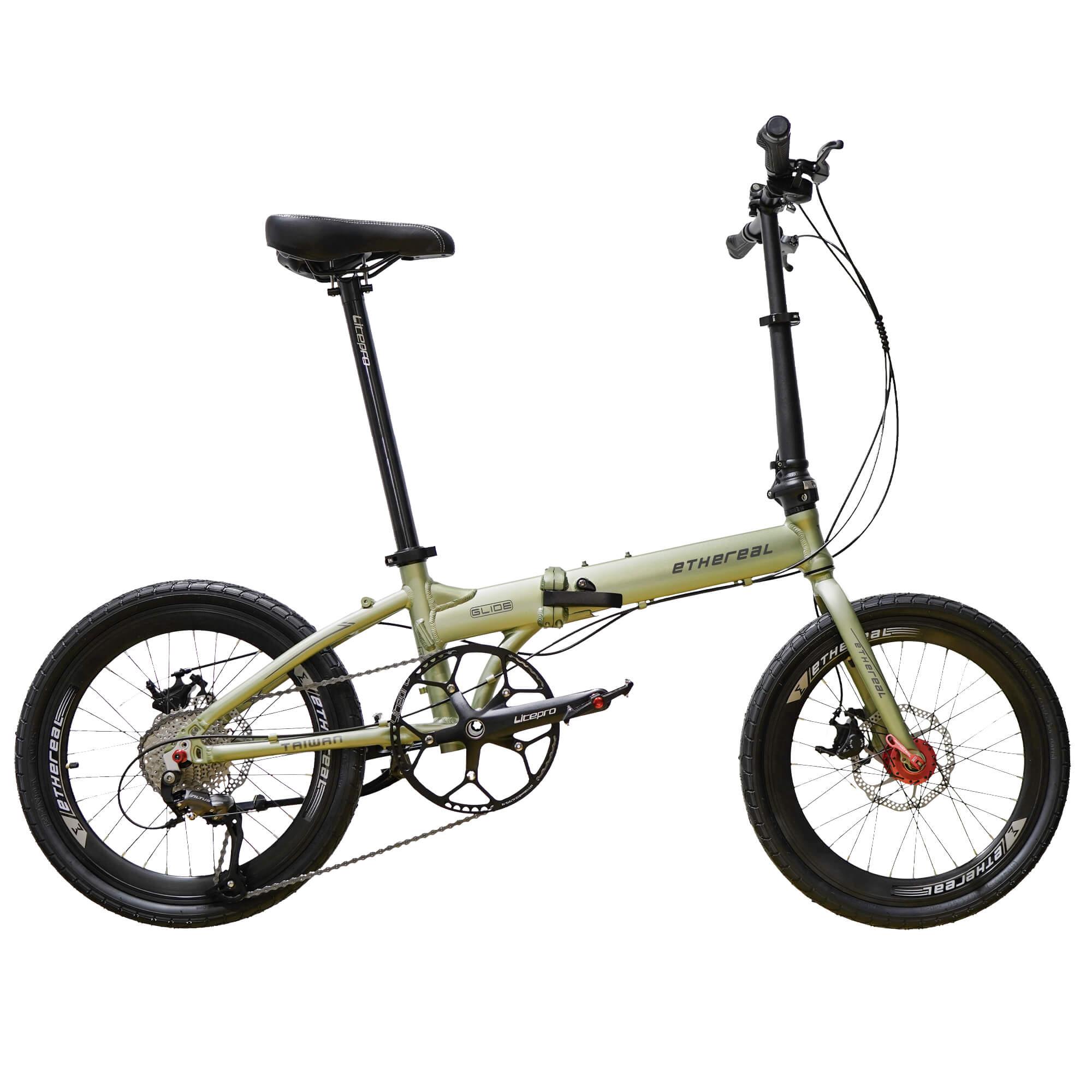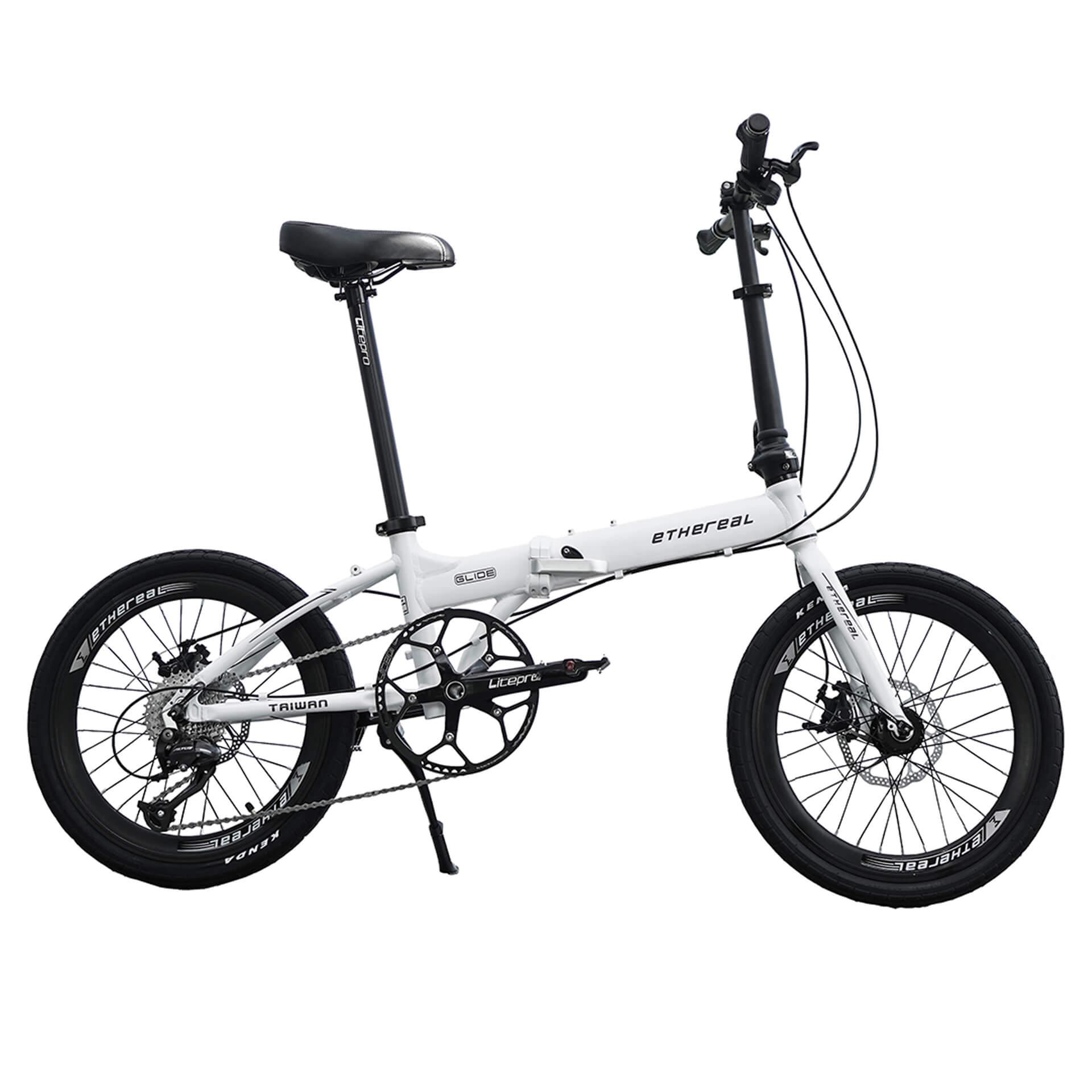

Java Neo 16 vs 20: Which Wheel Size Should You Choose?
Java Neo 16 vs 20: Which Wheel Size Should You Choose?
Choosing between a Java Neo 16 and a Java Neo 20 starts with a simple question: what do you need the bike to do most often? Both sizes sit within the same trifold family, but the current range includes different frames, drivetrains and weights. Wheel diameter is only one part of the decision.
This guide compares the published specifications for the bikes currently listed in the Java Neo collection. It focuses on information you can verify before ordering and avoids treating every 16-inch or 20-inch configuration as identical.
Java Neo 16 vs 20 at a glance
| Current model | Wheel size | Frame | Drivetrain | Approx. listed weight |
|---|---|---|---|---|
| Java Neo 3 16 Inch | 16 inch (349) | 6061-T6 aluminium | Shimano 9-speed | 9.6 kg |
| Java Neo 16 Full Carbon | 16 inch (349) | Full carbon fibre | WheelTop EDS 12-speed wireless | 8.7 kg |
| Java Neo 3 20 Inch | 20 inch (406) | Aluminium alloy | Shimano 9-speed | 10.4–10.7 kg, depending on fork edition |
| Java Neo 3 ECO | 20 inch | Full aluminium | Shimano 7-speed | 11.3 kg without pedals |
| Java Neo 20 Full Carbon | 20 inch (406) | Full carbon fibre | WheelTop EDS 12-speed wireless | 9 kg |
These figures are the current store listings. A model name alone does not tell you the complete specification, so check the linked product page for the exact variant available.
What changes when you choose 16-inch wheels?
The 16-inch Java Neo options use the 349 wheel standard shown in the store listings. Their smaller wheel diameter helps keep the overall package centred on portability. Within the present range, the aluminium Neo 3 16 is listed at about 9.6 kg, while the full-carbon 16 is listed at about 8.7 kg.
That makes the 16-inch family the logical place to start when carrying and storage are high priorities. The final choice still depends on frame material and drivetrain: the aluminium bike uses a Shimano 9-speed setup, while the full-carbon model uses a WheelTop EDS 12-speed wireless system. Compare the entire bike rather than assuming wheel size creates every difference.
Who should shortlist a Java Neo 16?
- Riders who regularly lift the folded bike into storage or transport.
- Owners with limited storage space who want to begin with the smaller wheel format.
- Buyers deciding between a lighter full-carbon build and a more conventional aluminium specification.
- Riders who specifically want the 349 wheel format listed for the 16-inch models.
What changes when you choose 20-inch wheels?
The 20-inch range gives you three distinct routes. The Java Neo 3 20 pairs an aluminium frame with Shimano 9-speed gearing. The ECO uses full aluminium and Shimano 7-speed gearing. The 20 Full Carbon combines a carbon frame with a WheelTop EDS 12-speed wireless drivetrain.
The listed weights show why you should compare models rather than wheel sizes in isolation. The full-carbon 20 is listed at about 9 kg, which is lighter than both current aluminium 20-inch options. The Neo 3 20 is approximately 10.4–10.7 kg depending on fork edition, while the ECO is approximately 11.3 kg without pedals.
Who should shortlist a Java Neo 20?
- Riders who prefer the larger 406 wheel format offered by the Neo 3 20 and 20 Full Carbon.
- Buyers who want more choice among value-focused, aluminium and full-carbon configurations.
- Owners planning compatible 20-inch upgrades and willing to confirm fit for their exact setup.
- Riders who place less emphasis on choosing the smallest wheel format.
Compare the complete specification
Wheel size should narrow the shortlist, not finish the decision. Review frame material, gearing, listed weight and the exact fork edition where applicable. If low listed weight is central to your decision, compare the two full-carbon models directly. If you prefer an aluminium frame, compare the Neo 3 16, Neo 3 20 and ECO on drivetrain and weight as well as price shown on their current pages.
Also think about accessories as a system. The Java Neo Upgrades collection includes products for selected 16-inch and 20-inch configurations, but compatibility can depend on wheel size, tyre width, rack, easywheels, suspension and frame version. The product page for each upgrade is the deciding reference.
A practical decision process
- Choose the wheel format. Start with 16 inch if compactness and carrying are your first filters. Start with 20 inch if you want the larger format and its broader current model choice.
- Choose the frame. Decide whether you want an aluminium or full-carbon option.
- Compare gearing. Current listings range from Shimano 7-speed to Shimano 9-speed and WheelTop EDS 12-speed wireless systems.
- Check the published weight. Note that the ECO figure excludes pedals and the Neo 3 20 figure varies by fork edition.
- Confirm the exact variant. Read the product page before purchase, especially if you plan upgrades.
Frequently asked questions
Is every Java Neo 16 lighter than every Java Neo 20?
No. The current 20 Full Carbon is listed at about 9 kg, while the aluminium Neo 3 16 is about 9.6 kg. Frame and component specification matter alongside wheel size.
Do all Java Neo 20 models have the same gearing?
No. The ECO is listed with Shimano 7-speed, the Neo 3 20 with Shimano 9-speed and the 20 Full Carbon with WheelTop EDS 12-speed wireless shifting.
Can the same upgrade fit every 16- and 20-inch bike?
Do not assume that. Some upgrades list broad compatibility, while others depend on tyre, rack, extender, fork or frame details. Use the exact upgrade page and ask for a photo assessment when the store recommends one.
Where can I compare all current models?
See the full Java Neo range for the current comparison table and direct links to each bike.
Choosing your Java Neo
The 16-inch range is the focused shortlist for riders prioritising the smaller wheel format and lower listed weights. The 20-inch range offers three present configurations, from the value-focused ECO to aluminium and full-carbon versions. Choose by the complete configuration you will own, then verify the product page before ordering.