
Java Neo ECO vs Java Neo 3: What's the Difference?
Java Neo ECO vs Java Neo 3: What's the Difference?
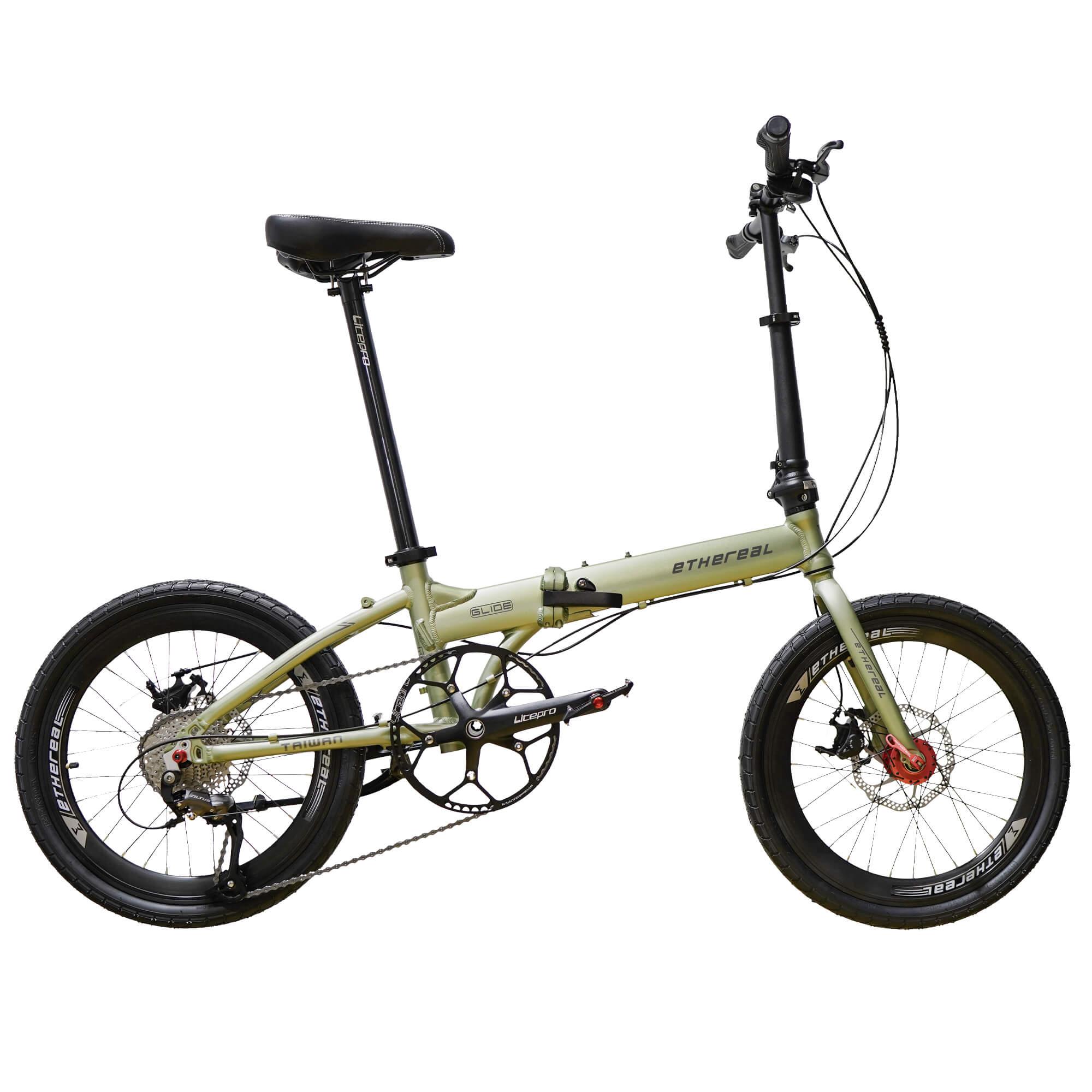
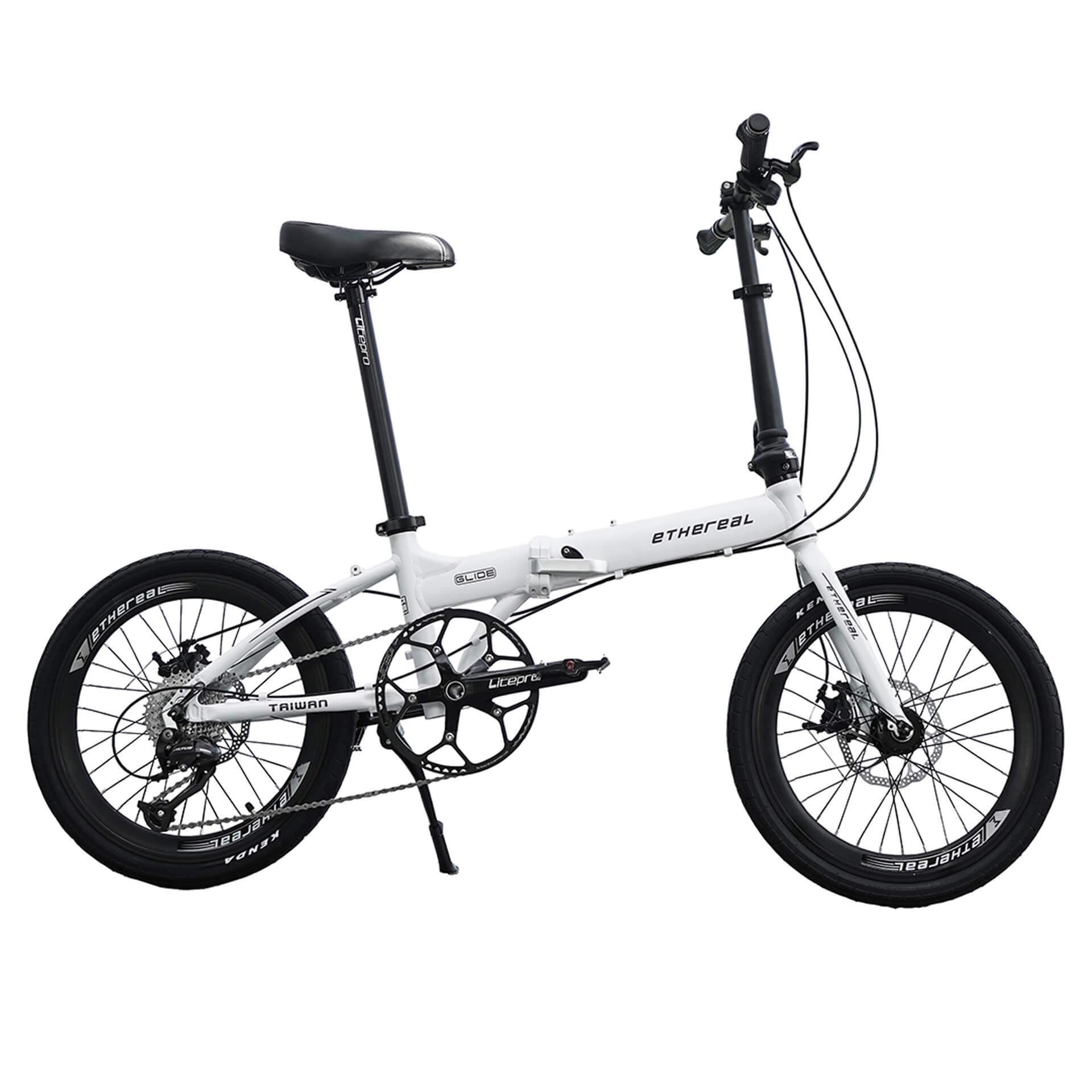
Header photo: product photos of the models compared (not to scale).
The Java Neo 3 ECO is the value-focused 20-inch option: full-aluminium frame and fork, Shimano 7-speed gearing and approximately 11.3 kg without pedals. The Java Neo 3 comes in 16-inch (349) and 20-inch (406) aluminium models with Shimano 9-speed gearing, weighing approximately 9.6 kg and 10.4–10.7 kg without pedals respectively. The ECO 20, Neo 3 16 and Neo 3 20 are all listed at about 80 × 38 × 70 cm folded. Listed variant prices start from $499 for the ECO and from $699 for the Neo 3, prices checked 30 Oct 2026.
The models share the Java Neo trifold name, but their specifications differ. Start with the exact bike in the Java Neo trifold collection, then compare gearing, carrying weight, folded size and the selected fork variant.
Java Neo ECO vs Java Neo 3 at a glance
Scroll sideways to compare all three models.
| Specification | Java Neo 3 ECO 20″ | Java Neo 3 16″ (349) | Java Neo 3 20″ (406) |
|---|---|---|---|
| Wheel size | 20 inch | 16 inch (349) | 20 inch (406) |
| Frame | Full aluminium | 6061-T6 aluminium | Aluminium alloy |
| Fork | Aluminium | Alloy or carbon, by variant | Alloy or carbon, by variant |
| Gearing | Shimano 7-speed | Shimano 9-speed | Shimano 9-speed |
| Brakes | Hydraulic disc | Flat-mount hydraulic disc | Full hydraulic disc |
| Approx. weight, without pedals | 11.3 kg | 9.6 kg | 10.4–10.7 kg, depending on configuration |
| Approx. folded size (L × W × H) | 80 × 38 × 70 cm | 80 × 38 × 70 cm | 80 × 38 × 70 cm |
| Listed variant price | From $499 | From $699; $699 variant unavailable | From $699 |
Prices checked 30 Oct 2026. Starting prices include listed variants that may be unavailable. The $699 Neo 3 16 variant is marked unavailable; the lowest-priced available variants when we checked are $749. Check each product page for current stock and configuration. All weights are approximate and exclude pedals.
What defines the Java Neo 3 ECO?
The Java Neo 3 ECO 20-inch is the value-focused choice for buyers who want the 20-inch Java Neo platform with Shimano 7-speed gearing. Its aluminium frame and fork, hydraulic disc brakes and approximate 11.3 kg weight without pedals distinguish it from the lighter, 9-speed Neo 3 models.
Shortlist it for value and a 20-inch format
If the ECO’s 7-speed specification meets your needs, it offers the lower listed starting price in this comparison. Its product page lists a 13T–34T freewheel and a 48T square-taper chainring. Compare the complete specification rather than assuming that every Java Neo shares the same parts.

Java Neo 3 16-inch: lower listed weight and a smaller fold
The Java Neo 3 16-inch (349) uses a 6061-T6 aluminium frame with an alloy- or carbon-fork option and Shimano 9-speed gearing. Its approximate 9.6 kg weight without pedals is the lowest in this comparison, and its listed fold of about 80 × 38 × 70 cm is the same as the Neo 3 20’s.
This is a comparison of both wheel size and specification: the ECO is a 20-inch, 7-speed bike. For more detail on choosing between wheel formats, read our Java Neo 16-inch vs 20-inch guide.

ECO vs Neo 3 20-inch: the direct comparison
The Java Neo 3 20-inch (406) keeps the 20-inch wheel format while moving to Shimano 9-speed gearing. Its aluminium-alloy frame is paired with an alloy or carbon fork depending on the selected variant. The published weight range is approximately 10.4–10.7 kg without pedals, compared with the ECO’s approximate 11.3 kg.
The Neo 3 20’s listed folded dimensions are about 80 × 38 × 70 cm. The ECO 20 is listed at the same folded size. Ask to compare the actual folds at the showroom.
Plan upgrades around the exact bike
Start with your model, wheel size, fork, tyres and any rack or extender. Check the compatibility notes in the Java Neo upgrades and accessories collection and our Java Neo upgrade guide before ordering.
ECO and Billy Bonkers fitment
Considering this tyre setup? Read the Java Neo ECO Billy Bonkers fitment guide and watch our showroom Short below before choosing parts.

For handling the bike between rides, see our Java Neo folding and rolling guide.
Making the final choice
Choose the ECO if you want the value-focused 20-inch, 7-speed specification. Shortlist the Neo 3 16 if its lower listed weight and smaller fold suit your carrying and storage needs. Choose the Neo 3 20 if you want 20-inch wheels with the published 9-speed setup, then confirm the fork variant.
Compare the available models in our folding bicycle collection. Comparing beyond the Java Neo range? See our guide to the best folding bike in Singapore by budget.
Frequently asked questions
Is the Java Neo ECO a Java Neo 3?
The product is named Java Neo 3 ECO, but its specification differs from the Java Neo 3 16-inch and 20-inch models. Treat it as its own model when comparing gearing, weight and compatibility.
Does the ECO have the same number of gears as the Neo 3?
No. The ECO is listed with Shimano 7-speed gearing. The Neo 3 16-inch and 20-inch aluminium models are listed with Shimano 9-speed gearing.
Which model is lightest in this comparison?
The Neo 3 16-inch has the lowest published weight at approximately 9.6 kg without pedals. The Neo 3 20-inch is approximately 10.4–10.7 kg depending on configuration, and the ECO is approximately 11.3 kg, also without pedals.
How small do the bikes fold?
The Neo 3 16-inch is listed at approximately 80 × 38 × 70 cm, and the Neo 3 20-inch at approximately 80 × 38 × 70 cm (length × width × height). The ECO 20 is also listed at about 80 × 38 × 70 cm.
Where can I check ECO Billy Bonkers fitment?
Read our Java Neo ECO Billy Bonkers fitment guide and watch our YouTube Short “Java Neo ECO + Billy Bonkers: Fitment Issues & The Proper Solution”. Confirm compatibility for your exact setup before ordering parts.
Test ride at our Woodlands showroom
Compare the available ECO and Neo 3 models in person. Try folding and carrying the bikes, and ask our team to check your intended upgrades before choosing.
The Bike Atrium
11 Woodlands Close, #04-45, Woodlands 11, Singapore 737853
Open 11:30am–7:30pm (closed Wednesdays & public holidays)